
on June 9, 2026 | By The InteliChart Team
Voice AI platforms are not created equal. On the surface, many solutions appear remarkably similar. Most can answer questions. Most can speak naturally. Most can handle basic requests. Most can deliver an impressive demonstration. But healthcare organizations evaluating voice AI to handle inbound scheduling calls should look beyond the voice itself. The real differentiator isn't the voice. It's the conversation. Patients are calling your organization with an expectation that they will speak to a live person who can help them schedule an appointment. If the interaction turns out to be something else, they will still expect the experience to be natural and effortless. They don't want to learn how to interact with a system; They simply want help finding an appointment and getting on with their day. This is where many voice AI solutions begin to separate themselves. The challenge is no longer producing a realistic voice. Today's technology has largely solved that problem. The challenge is sustaining a natural conversation from the moment a patient says "I'd like to schedule an appointment" until the appointment is successfully booked. Some voice AI solutions perform well when conversations follow a predictable path, with few variables, and limited interruptions; however, real conversations don’t flow this way. Patients change their minds. They remember additional information halfway through an answer. They mention scheduling constraints after discussing provider preferences. They pause to think. They ask unrelated questions. They correct themselves. And they interrupt…often. In other words, they behave exactly the way people behave in everyday conversations. Intelligent voice AI platforms that are more advanced in conversation capability will accommodate this naturally. On the other hand, less sophisticated solutions often struggle to maintain conversational momentum when the interaction becomes less structured. The result is longer pauses, awkward exchanges, repeated questions, and conversations that ultimately require staff intervention. For healthcare organizations, these are the moments that matter. Each unnecessary pause is noticed. Every request to repeat information will result in uncertainty. And when the call is eventually transferred back to a live staff member, the opportunity for automation is lost and the patient experience is not on par with your organization’s expectation. As voice AI becomes more common across healthcare, organizations need to evaluate solutions differently. Humanizing the sound of the voice is important, but mastering the intelligence behind the conversation is the difference maker, and platforms that have real-time dynamic intelligence will deliver in a way other solutions simply cannot. When evaluating voice AI, healthcare organizations should ask:
Read More
on February 4, 2026 | By The InteliChart Team
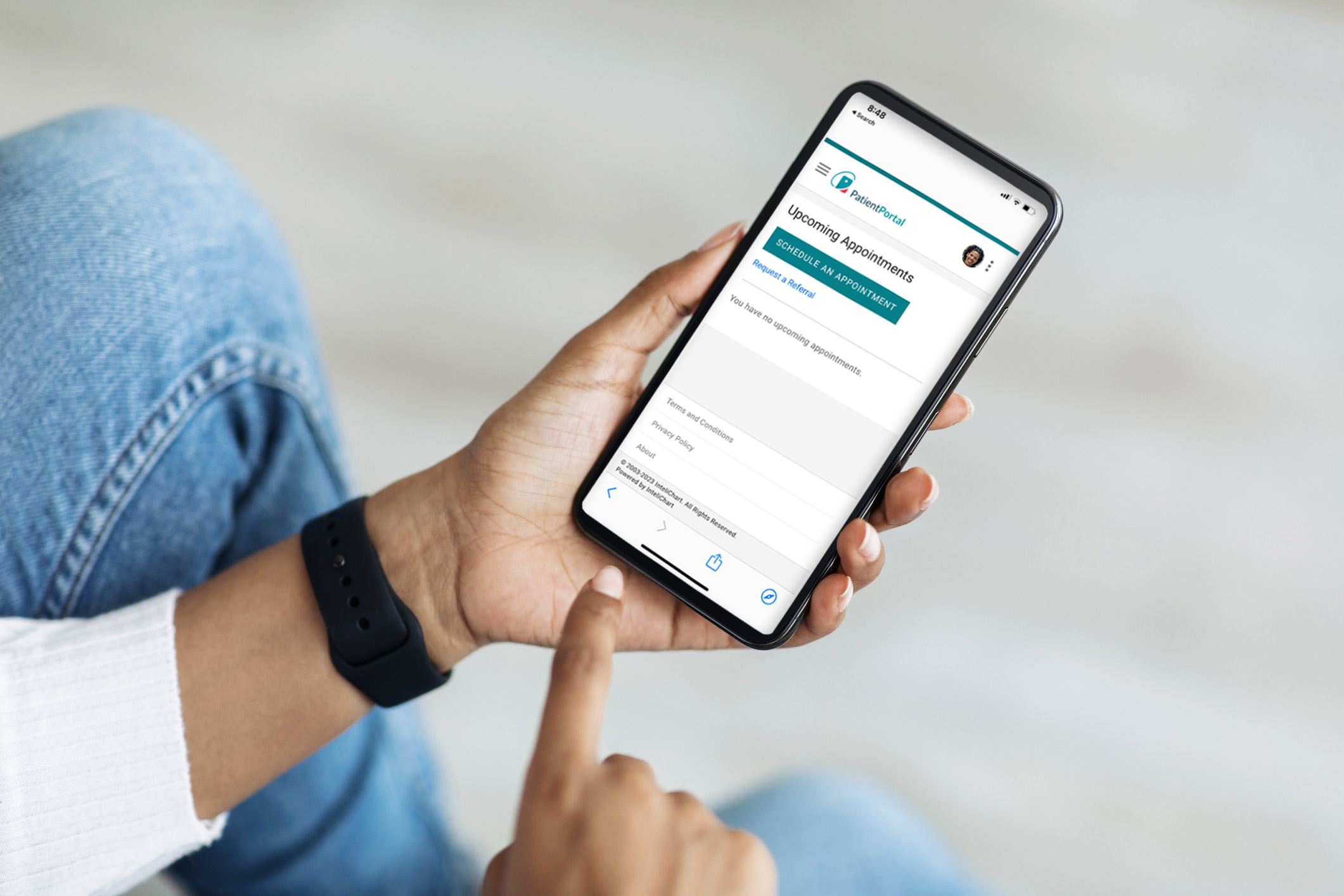
Patient engagement technology has become essential as healthcare increasingly shifts toward digital, patient-centered care. The global patient engagement solutions market is projected to grow at an impressive 17.7% annual rate, reaching $70.3 billion by 2030. This rapid adoption underscores how much practices and hospitals value tools that streamline engagement across the patient journey.
Read More

on October 2, 2025 | By The InteliChart Team
In the first installment of this series, we examined how patching together disparate patient engagement solutions to satisfy the demands of the modern patient-consumer can mistakenly create a ‘Frankensystem’ that results in disjointed, frustrating experiences for patients and staff.
Read More

on October 2, 2025 | By The InteliChart Team
In the first installment of our Frankensystem series, we introduced how integrating mismatched, disparate patient engagement solutions results in what is known today as the 'Frankensystem.' Although often created unintentionally and with the best intentions to deliver an optimized healthcare experience, Frankensystems are notorious for wreaking havoc on patient engagement. In the second installment in this series, we’ll take a closer look at how Frankensystems impede the patient experience and compare it to that of a patient engagement ‘Masterpiece’—a platform of solutions purpose-built to work cohesively together from the get-go.
Read More
on October 2, 2025 | By The InteliChart Team
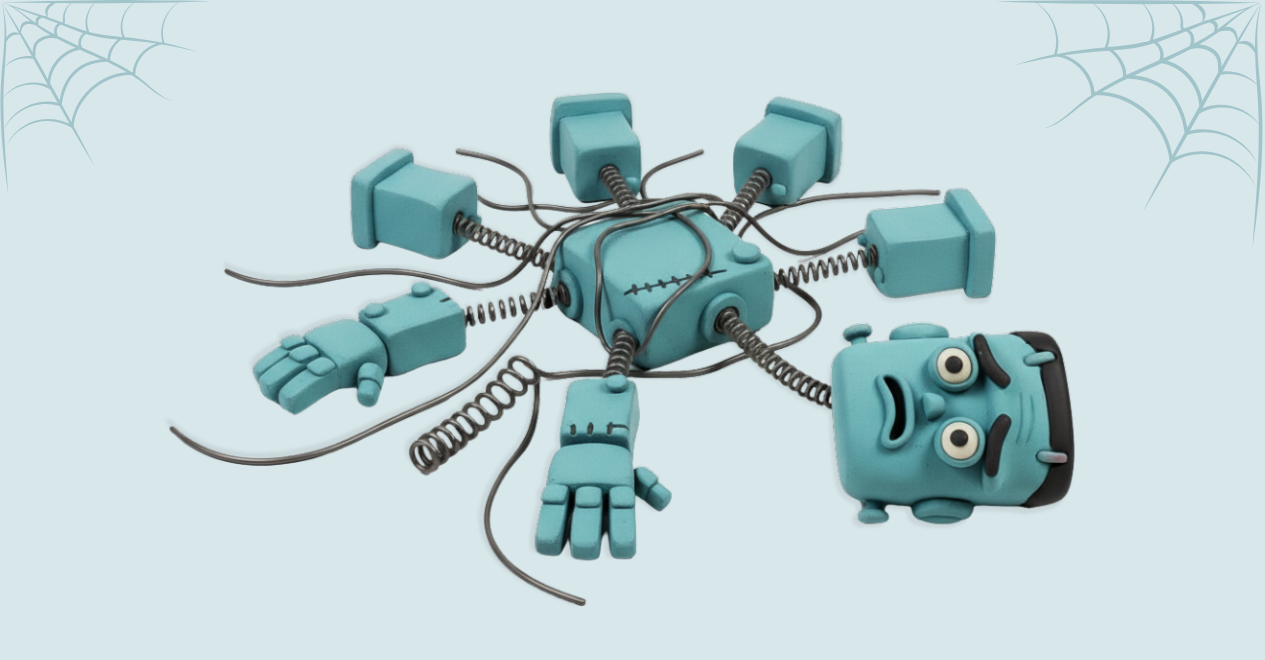
In 1818, Mary Shelley's groundbreaking novel "Frankenstein" was published, detailing the calamitous outcome of one man's pursuit to generate life by assembling disparate body parts. Today, this iconic tale serves as a metaphor for organizations integrating mismatched, disparate patient engagement solutions, giving birth to a "Frankensystem."
Read More

on September 30, 2025 | By The InteliChart Team
Patient engagement is so much more than just a buzzword; it’s a must for healthcare practices today. Engaging patients in the evolving healthcare space requires practices to constantly look for more effective ways to better meet consumer expectations.
Read More

on December 11, 2024 | By The InteliChart Team
When you’re thinking about improving patient engagement, it’s easy to focus on the effect it will have on your practice alone. The benefits speak for themselves: If you do it well, you’ll get more business, retain more patients, and remain more profitable. On the other hand, if you don’t do it well and patients remain disengaged, they’re likely to find other providers for their healthcare needs—not to mention they might leave you negative reviews, which can damage your practice’s reputation and cause you to lose revenue in the process.
Read More

on December 4, 2024 | By The InteliChart Team
Chronic diseases—such as heart disease, cancer, diabetes, obesity, and arthritis—affect 60% of adults in the United States, with 40% of this group managing two or more conditions simultaneously. These conditions significantly impact quality of life and account for nearly 90% of the $4.5 trillion spent annually on healthcare, according to the CDC.
Read More

on November 26, 2024 | By The InteliChart Team
The start of the year can be a perfect storm for healthcare practices. Flu season peaks, patient volumes surge, and high volumes of insurance coverage changes add complexity. With 1 in 5 Americans switching insurance each year, chances are some of your patients will have new plans come January. Staying ahead of these changes is crucial—and automated insurance eligibility verification can make all the difference.
Read More

on November 13, 2024 | By The InteliChart Team
Patient data is one of the most sensitive types of information healthcare organizations handle, and its protection is non-negotiable. From medical history to diagnoses, this data holds immense value—not just to providers but also to hackers. A data breach could lead to serious consequences, such as identity theft or insurance fraud, and could erode the trust patients place in their care teams.
Read More