
on June 9, 2026 | By The InteliChart Team
Voice AI platforms are not created equal. On the surface, many solutions appear remarkably similar. Most can answer questions. Most can speak naturally. Most can handle basic requests. Most can deliver an impressive demonstration. But healthcare organizations evaluating voice AI to handle inbound scheduling calls should look beyond the voice itself. The real differentiator isn't the voice. It's the conversation. Patients are calling your organization with an expectation that they will speak to a live person who can help them schedule an appointment. If the interaction turns out to be something else, they will still expect the experience to be natural and effortless. They don't want to learn how to interact with a system; They simply want help finding an appointment and getting on with their day. This is where many voice AI solutions begin to separate themselves. The challenge is no longer producing a realistic voice. Today's technology has largely solved that problem. The challenge is sustaining a natural conversation from the moment a patient says "I'd like to schedule an appointment" until the appointment is successfully booked. Some voice AI solutions perform well when conversations follow a predictable path, with few variables, and limited interruptions; however, real conversations don’t flow this way. Patients change their minds. They remember additional information halfway through an answer. They mention scheduling constraints after discussing provider preferences. They pause to think. They ask unrelated questions. They correct themselves. And they interrupt…often. In other words, they behave exactly the way people behave in everyday conversations. Intelligent voice AI platforms that are more advanced in conversation capability will accommodate this naturally. On the other hand, less sophisticated solutions often struggle to maintain conversational momentum when the interaction becomes less structured. The result is longer pauses, awkward exchanges, repeated questions, and conversations that ultimately require staff intervention. For healthcare organizations, these are the moments that matter. Each unnecessary pause is noticed. Every request to repeat information will result in uncertainty. And when the call is eventually transferred back to a live staff member, the opportunity for automation is lost and the patient experience is not on par with your organization’s expectation. As voice AI becomes more common across healthcare, organizations need to evaluate solutions differently. Humanizing the sound of the voice is important, but mastering the intelligence behind the conversation is the difference maker, and platforms that have real-time dynamic intelligence will deliver in a way other solutions simply cannot. When evaluating voice AI, healthcare organizations should ask:
Read More
on February 4, 2026 | By The InteliChart Team
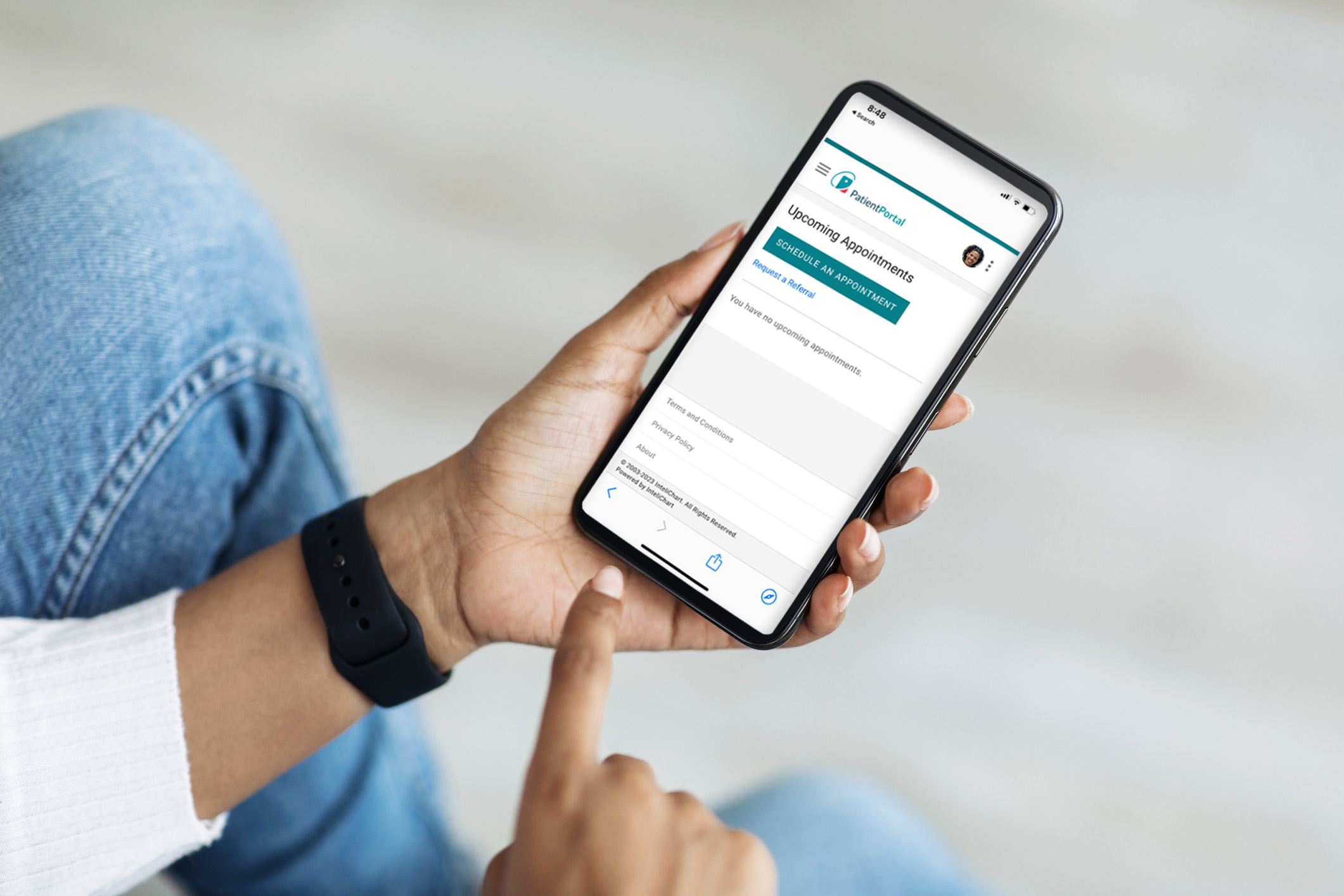
Patient engagement technology has become essential as healthcare increasingly shifts toward digital, patient-centered care. The global patient engagement solutions market is projected to grow at an impressive 17.7% annual rate, reaching $70.3 billion by 2030. This rapid adoption underscores how much practices and hospitals value tools that streamline engagement across the patient journey.
Read More

on December 11, 2024 | By The InteliChart Team
When you’re thinking about improving patient engagement, it’s easy to focus on the effect it will have on your practice alone. The benefits speak for themselves: If you do it well, you’ll get more business, retain more patients, and remain more profitable. On the other hand, if you don’t do it well and patients remain disengaged, they’re likely to find other providers for their healthcare needs—not to mention they might leave you negative reviews, which can damage your practice’s reputation and cause you to lose revenue in the process.
Read More

on December 4, 2024 | By The InteliChart Team
Chronic diseases—such as heart disease, cancer, diabetes, obesity, and arthritis—affect 60% of adults in the United States, with 40% of this group managing two or more conditions simultaneously. These conditions significantly impact quality of life and account for nearly 90% of the $4.5 trillion spent annually on healthcare, according to the CDC.
Read More

on November 26, 2024 | By The InteliChart Team
The start of the year can be a perfect storm for healthcare practices. Flu season peaks, patient volumes surge, and high volumes of insurance coverage changes add complexity. With 1 in 5 Americans switching insurance each year, chances are some of your patients will have new plans come January. Staying ahead of these changes is crucial—and automated insurance eligibility verification can make all the difference.
Read More

on November 13, 2024 | By The InteliChart Team
Patient data is one of the most sensitive types of information healthcare organizations handle, and its protection is non-negotiable. From medical history to diagnoses, this data holds immense value—not just to providers but also to hackers. A data breach could lead to serious consequences, such as identity theft or insurance fraud, and could erode the trust patients place in their care teams.
Read More

on November 7, 2024 | By The InteliChart Team
Insurance eligibility verification confirms a patient’s coverage before care, ensuring smooth operations and a positive experience for both patients and providers. When insurance isn’t active or doesn’t cover the scheduled service or booked provider, patients may be left responsible for the full bill. This often leads to payment delays or missed payments which can disrupt the practice’s revenue cycle and introduce further complications.
Read More

on October 31, 2024 | By The InteliChart Team
Patient engagement is important because it directly improves health outcomes while driving growth and sustainability for healthcare providers. Actively engaged patients are more likely to attend appointments, adhere to treatments, and communicate effectively with their providers, all of which contribute to better health and fewer complications. This proactive approach also reduces costs and the demand on healthcare resources, freeing providers to focus on delivering quality care.
Read More

on October 23, 2024 | By The InteliChart Team
Over the past decade, the term ‘patient engagement’ has shifted from just a buzzword to a fundamental pillar of effective care. This shift reflects a broader transformation in healthcare. The relationship between providers and patients is no longer one-sided. Patients are now active participants in their care, expecting more involvement and control over their healthcare experiences. With easy access to information and a more consumer-driven mindset, patients are researching treatment options, asking more questions, and even challenging their provider’s recommendations.
Read More

on August 21, 2024 | By The InteliChart Team
Patient engagement helps patients and their providers connect by promoting an active partnership and shared decision-making. The result is better health outcomes, reduced healthcare costs, and easier healthcare consumerism navigation.
Read More